
Beginner-Friendly Guide to Altcoins and How They Differ from Bitcoin
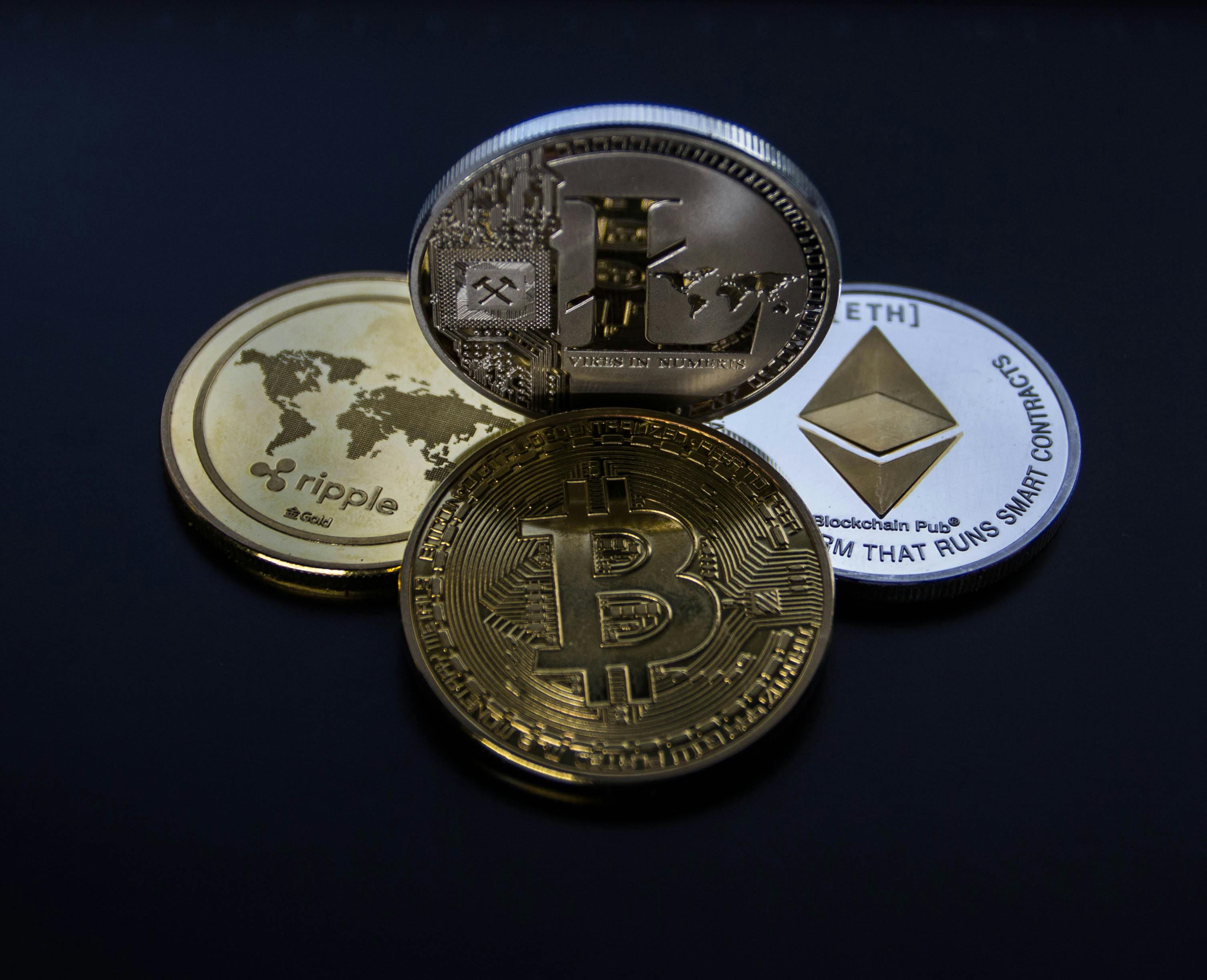
When most people first hear about cryptocurrency, they hear about Bitcoin. And for good reason — it was the first digital currency and is still the most popular. But if you’ve done any exploring, you’ve probably seen a long list of other coins like Ethereum, Litecoin, Ripple (XRP), Cardano, Solana, and many more.
These are called altcoins. But what exactly are altcoins, and how do they differ from Bitcoin?
Let’s break it down in a simple and clear way.
💡 What Are Altcoins?
The word “altcoin” is short for “alternative coin”, and it refers to any cryptocurrency that isn’t Bitcoin.
That’s it.
So, whether it’s Ethereum, Dogecoin, BNB, or Chainlink, if it’s not Bitcoin, it’s an altcoin.
Altcoins exist to offer different features, solve specific problems, or improve on what Bitcoin started.
🧱 Why Were Altcoins Created?
While Bitcoin introduced the world to decentralized digital money, it isn’t perfect. It has limitations, such as:
- Slow transaction speeds
- High energy use (especially during mining)
- Limited use cases beyond being a store of value
Altcoins were created to:
- Improve transaction efficiency
- Support smart contracts and decentralized apps (dApps)
- Enable privacy or anonymity
- Provide better scalability
- Experiment with different consensus methods (like proof of stake)
Each altcoin typically has a specific purpose, a unique technology, or a different vision for the future of blockchain.
⚖️ Key Differences Between Bitcoin and Altcoins
Let’s take a closer look at how altcoins stack up against Bitcoin:
|
Feature |
Bitcoin |
Altcoins |
|
Launch Year |
2009 |
2011 onward |
|
Purpose |
Digital money / store of value |
Varies: dApps, smart contracts, privacy, etc. |
|
Consensus Method |
Proof of Work |
Many use Proof of Stake or hybrids |
|
Supply Limit |
21 million BTC max |
Varies by coin |
|
Development |
Conservative, slow updates |
Often fast-paced and experimental |
|
Speed & Fees |
Slower, higher fees |
Many are faster and cheaper |
Let’s explore a few well-known altcoins to understand them better.
🌐 Examples of Popular Altcoins
1. Ethereum (ETH)
The most popular altcoin by far. Ethereum introduced smart contracts — code that runs automatically when certain conditions are met. This opened the door for DeFi (decentralized finance), NFTs, and many blockchain-based apps.
2. Cardano (ADA)
A blockchain focused on academic research and sustainability. It uses proof of stake to be more energy-efficient and scalable.
3. Solana (SOL)
Known for its high-speed and low-cost transactions, Solana is designed to support large-scale decentralized applications.
4. Litecoin (LTC)
One of the earliest altcoins, created to be the “silver” to Bitcoin’s gold. It has faster transaction times and lower fees.
5. Ripple (XRP)
Focused on cross-border payments and banking integration, XRP is more centralized than most other cryptocurrencies, which has sparked debate in the crypto community.
6. Dogecoin (DOGE)
Started as a meme but gained popularity thanks to its low fees and strong community. Surprisingly, it's now used for tips and small payments.
🧠 Should You Invest in Altcoins?
Altcoins offer exciting possibilities, but they come with risks:
✅ Pros:
- Often cheaper than Bitcoin
- Higher potential for growth
- New and innovative features
- Variety of use cases (DeFi, gaming, NFTs, etc.)
⚠️ Cons:
- More volatile and risky
- Many projects are unproven
- Some are outright scams or “pump and dump” schemes
- Less adoption than Bitcoin
Tip: Always do your own research (DYOR) before investing in any cryptocurrency.
🤔 Are Altcoins Replacing Bitcoin?
Not quite. Think of Bitcoin as digital gold — a store of value and symbol of trust. Altcoins are more like tools — each one built for a different task.
Some believe Ethereum might one day surpass Bitcoin in usage due to its smart contracts and wide adoption. Others argue Bitcoin’s security and first-mover advantage make it king for the long haul.
The reality is, both Bitcoin and altcoins are shaping the future of finance in their own ways.
📚 Final Thoughts
Altcoins are more than just “Bitcoin alternatives.” They represent innovation, competition, and diversity in the world of blockchain.
Whether you're just getting started or planning to invest, understanding the difference between Bitcoin and altcoins helps you make better decisions and avoid the hype.
So the next time someone talks about "altcoins," you’ll know exactly what they mean — and why it matters.